SAFETY WITH
COST CONTROL
Protecting People, Assets, and Your Bottom Line
Safety isn't a cost center — it's the smartest investment a logistics operation can make. Yuli's integrated safety solutions reduce accidents, insurance premiums, and equipment downtime while delivering measurable ROI in under 18 months.
The Catalyst: One Near-Miss Changes Everything
In late 2023, a major FMCG distribution center in Hefei — one of the largest in central China, serving a multinational consumer goods company with over 15,000 SKUs and 47 forklifts operating across three shifts — experienced a near-miss that changed everything. A forklift operator, rounding a blind corner in the receiving area during the afternoon shift change, came within inches of striking a pedestrian worker. No one was injured, but the incident was captured on CCTV and triggered a comprehensive global safety audit from the parent company's headquarters.
The audit's findings were stark: all material handling equipment must be equipped with active collision avoidance systems within six months, or the facility's operating license would be suspended. For a distribution center that moved over 3,000 pallets per day, a suspension was unthinkable. The facility manager was given a tight budget and an even tighter timeline. The challenge was not just about installing safety equipment — it was about doing it across 47 forklifts of mixed brands and vintages, without disrupting operations, and at a cost the CFO would approve.
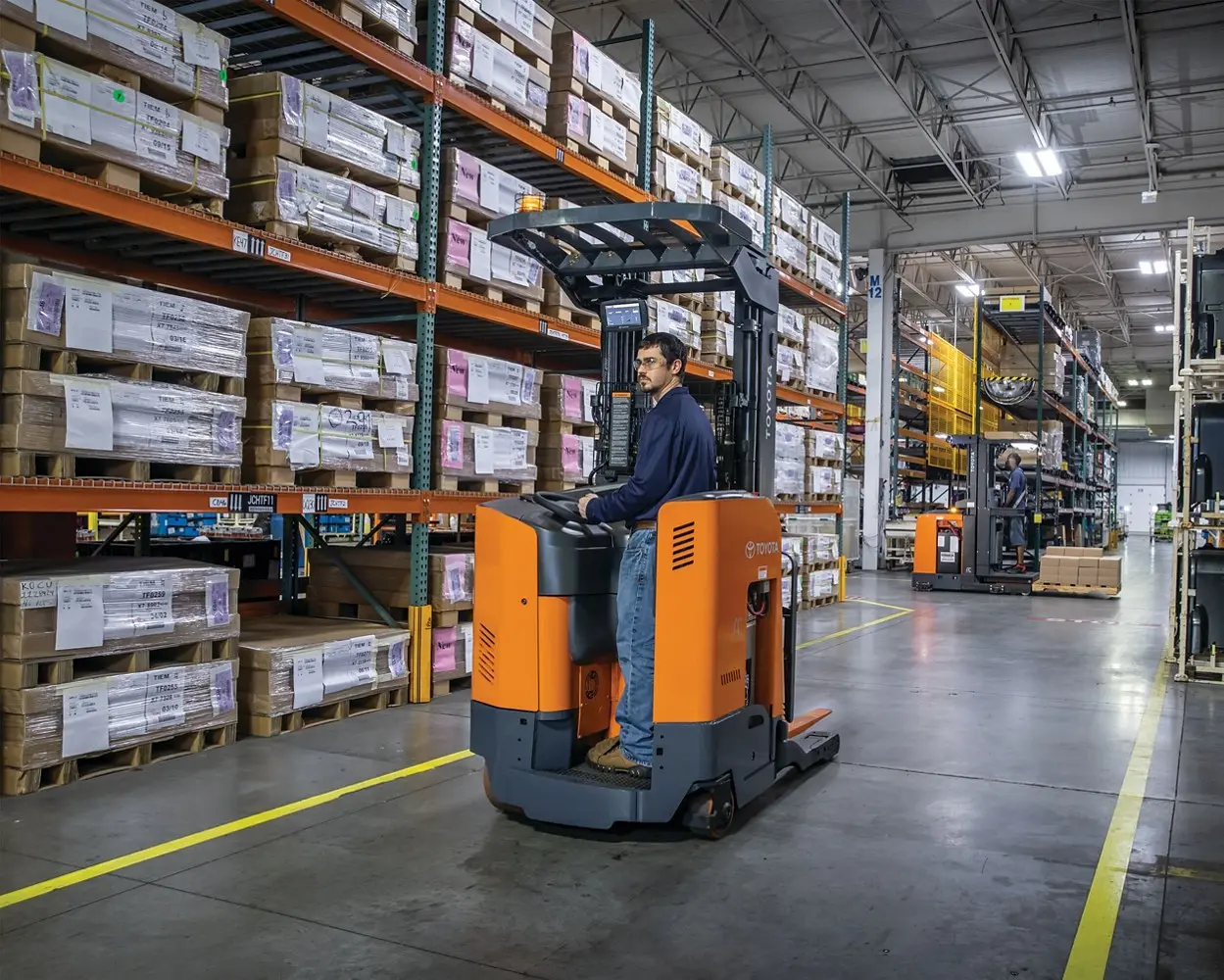
The Hefei distribution center: 15,000 SKUs, 47 forklifts, 3 shifts, and over 200 pedestrians sharing the same floor space daily.
Assessment & The Tiered Strategy
Wang Ming, Yuli's Global Service Director, led a one-week safety assessment. His team deployed temporary cameras and movement sensors throughout the facility, creating a "heat map" of human-forklift interaction. The data revealed a clear pattern: 67% of near-miss events occurred in just two zones — the corridor between the receiving dock and the packaging area, and the intersection near the break room. Furthermore, these incidents clustered in the 2 PM to 4 PM window, when the day shift and afternoon shift overlap and pedestrian traffic peaked.
The key insight that transformed the project's economics: the facility did not need to equip all 47 forklifts with the highest-tier collision avoidance system. Only 12 forklifts operating in the two high-risk zones required the full 360° millimeter-wave radar plus AI vision system. The remaining 35 units, operating in lower-risk aisles with clear sightlines, could be equipped with a more cost-effective ultrasonic sensor and audible alarm system. This tiered strategy reduced the total project cost by 60% compared to the "all-premium" approach that competing vendors had proposed.
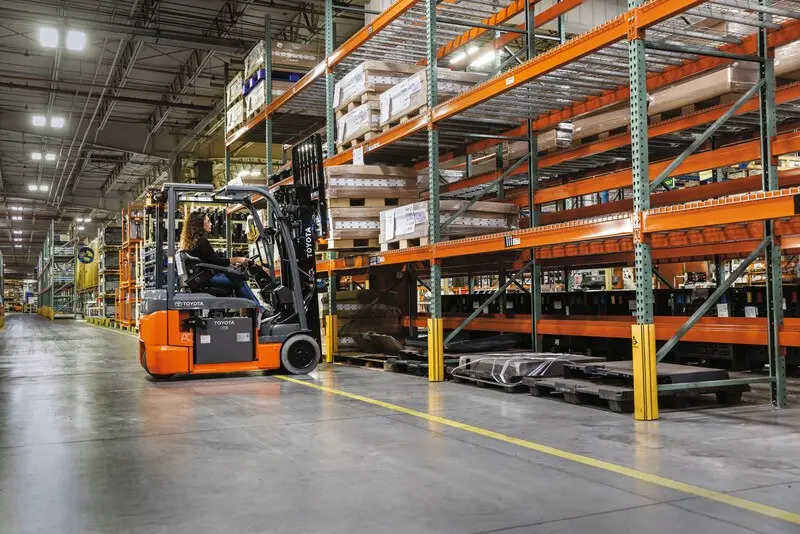
The safety heat map: 67% of near-miss events concentrated in two zones. The tiered strategy targeted premium protection where it mattered most.
Technology Deployment: Three Layers of Protection
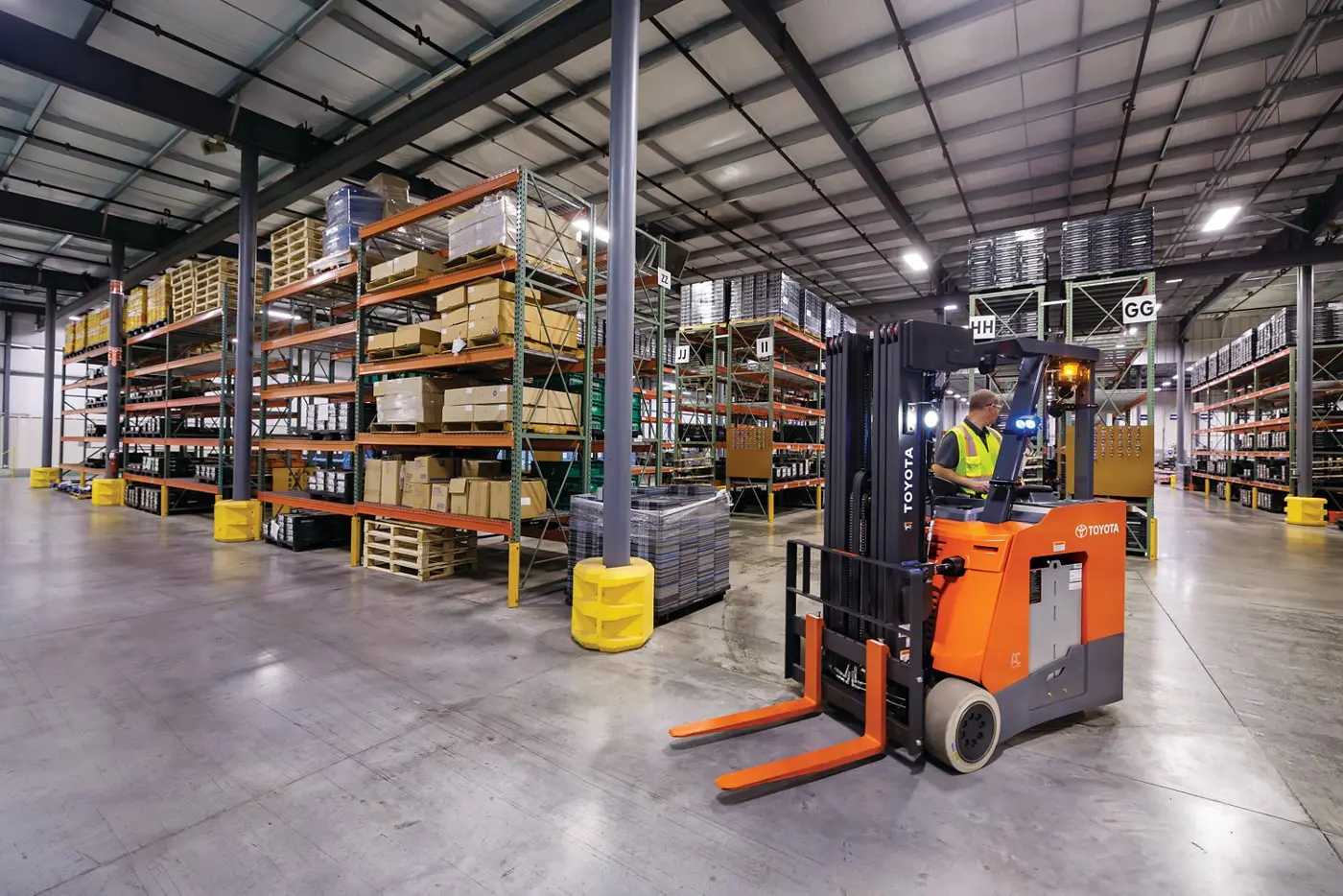
Sun Jie, Yuli's CTO, designed the technical architecture as a three-layer system. The perception layer combined 360° millimeter-wave radar, AI-powered cameras, and ultrasonic sensors — each technology chosen for a specific strength. Radar performed reliably in dust and low light, cameras provided object classification (distinguishing between a person, a pallet, and a rack), and ultrasonic sensors offered cost-effective close-range coverage.
The decision layer ran on an edge computing unit mounted in each forklift, processing sensor data locally to avoid the latency of cloud-based processing. The safety algorithm implemented a three-stage response: at 5 meters, a directional audible warning and yellow LED alert; at 3 meters, automatic speed reduction to 2 km/h; at 1.5 meters, emergency braking with haptic feedback through the steering wheel. All telemetry data was aggregated through an IoT platform into a central dashboard, giving the facility manager real-time visibility of every forklift's safety status.
The three-layer architecture: perception (radar/camera/ultrasonic), decision (edge AI), and execution (warning/deceleration/braking).
The Human Factor: When Technology Meets Resistance
The deployment hit an unexpected obstacle within the first two weeks. Several experienced forklift operators — some with over 15 years on the job — began manually disabling the automatic braking system. They complained that the system was "too sensitive," triggering false positives when passing close to racking or when pedestrians walked nearby but not in the forklift's path. The initial false-positive rate was 3.2 events per 100 operating hours, and each unnecessary brake activation was testing the operators' patience.
Huang Lei, Yuli's Marketing & Communications Director, stepped in with an unconventional approach. Rather than issuing a mandate from management, she designed a "Safety Score" incentive program. Operators earned points for safe driving behaviors — smooth acceleration, speed compliance, zero harsh braking events — tracked automatically by the IoT platform. Points could be redeemed for bonuses, extra leave days, and public recognition on the facility's leaderboard. The program reframed the safety system from a surveillance tool into a gamified achievement system.
The Safety Score dashboard: gamifying safe driving behavior transformed operator resistance into engagement.
Simultaneously, Wang Ming and Sun Jie worked on the technical side. They analyzed the false-positive data and fine-tuned the AI algorithm's sensitivity, particularly for the "person near racking" scenario that was causing most of the false triggers. The result: false-positive rates dropped from 3.2 to 0.5 per 100 operating hours. Within one month of the combined technical and cultural intervention, operator acceptance of the system rose from 40% to over 90%.
The Bottom Line: Safety Pays for Itself
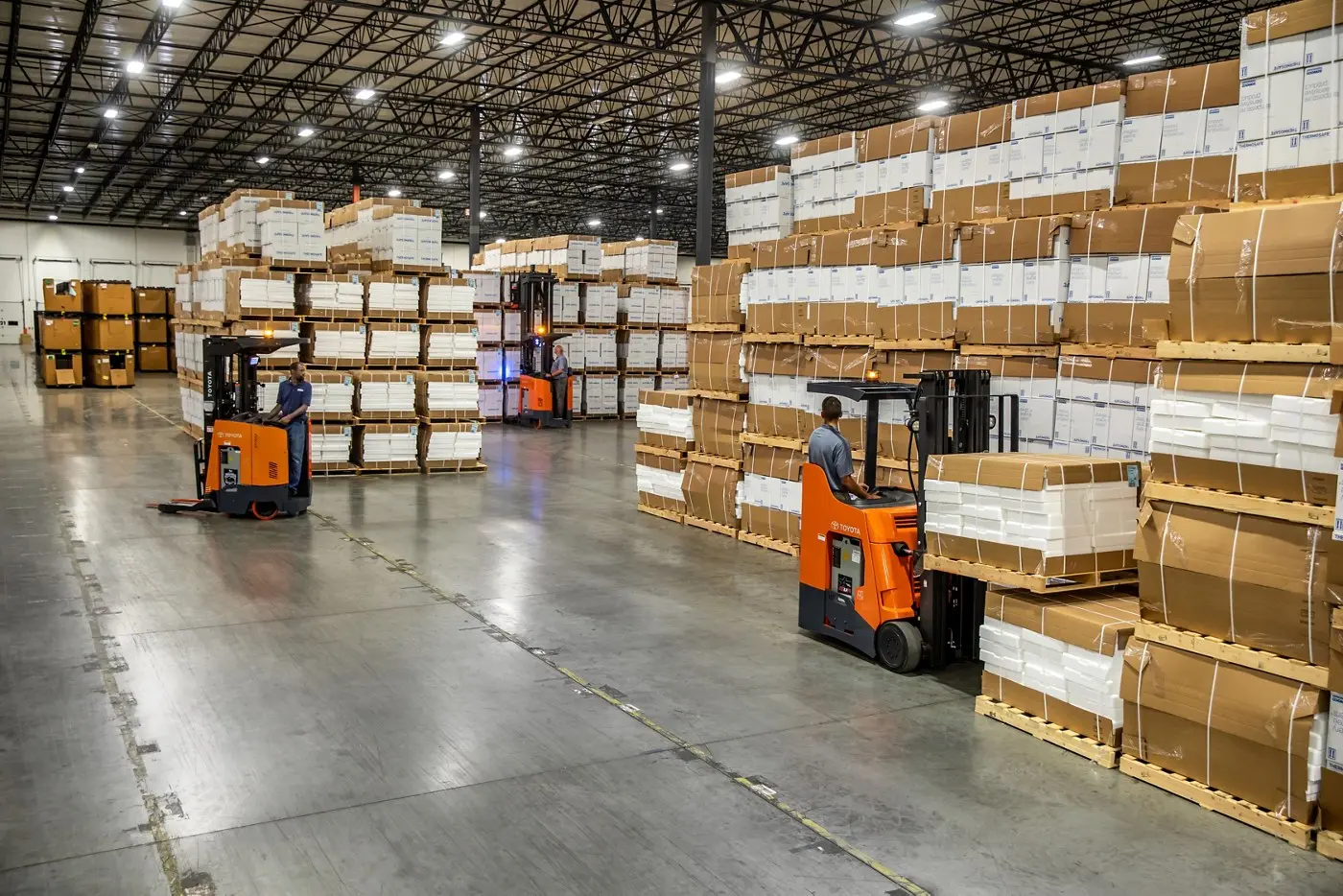
Twelve months after deployment, the facility had achieved zero accidents — a record that qualified them for a significant insurance premium reduction at renewal. But the cost savings went beyond the obvious. The tiered deployment strategy had saved 60% on initial capital expenditure compared to the all-premium approach. The IoT telemetry platform enabled predictive maintenance on the 12 premium-equipped forklifts: the system could detect subtle changes in hydraulic pressure and motor current that preceded component failures, allowing maintenance to be scheduled during planned downtime rather than reacting to breakdowns.
12-month results: zero accidents, insurance reduction, and predictive maintenance cutting unplanned repairs from 4.7 to 1.2 per month.
Unplanned maintenance events dropped from 4.7 per month to 1.2. The Safety Score program delivered an unexpected bonus: operators competing for smooth-driving scores were also the most fuel-efficient drivers, reducing diesel consumption. The facility's CFO calculated that the total investment in the safety system was recovered within 14 months, and the ongoing annual savings — from insurance, maintenance, and fuel — amounted to approximately 10% of the equipment fleet's total value. The parent company has since made Yuli's tiered safety approach a recommended standard for all its distribution centers across Asia.
Project Team
WANG MING
Global Service Director
"Conducted the one-week safety assessment, created the heat-map analysis of high-risk zones, and designed the tiered deployment strategy that reduced total project cost by 60%."
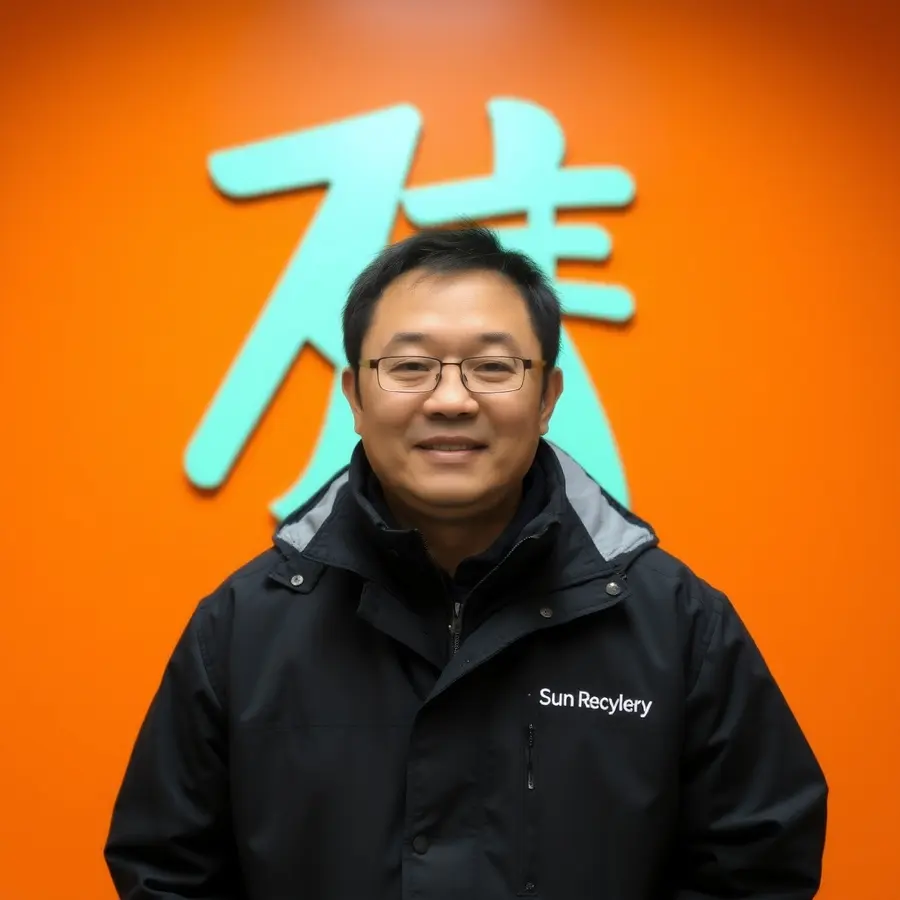
SUN JIE
Chief Technology Officer
"Designed the three-layer collision avoidance architecture (perception/decision/execution), integrated the IoT telemetry platform, and fine-tuned the AI algorithm sensitivity to reduce false positives."
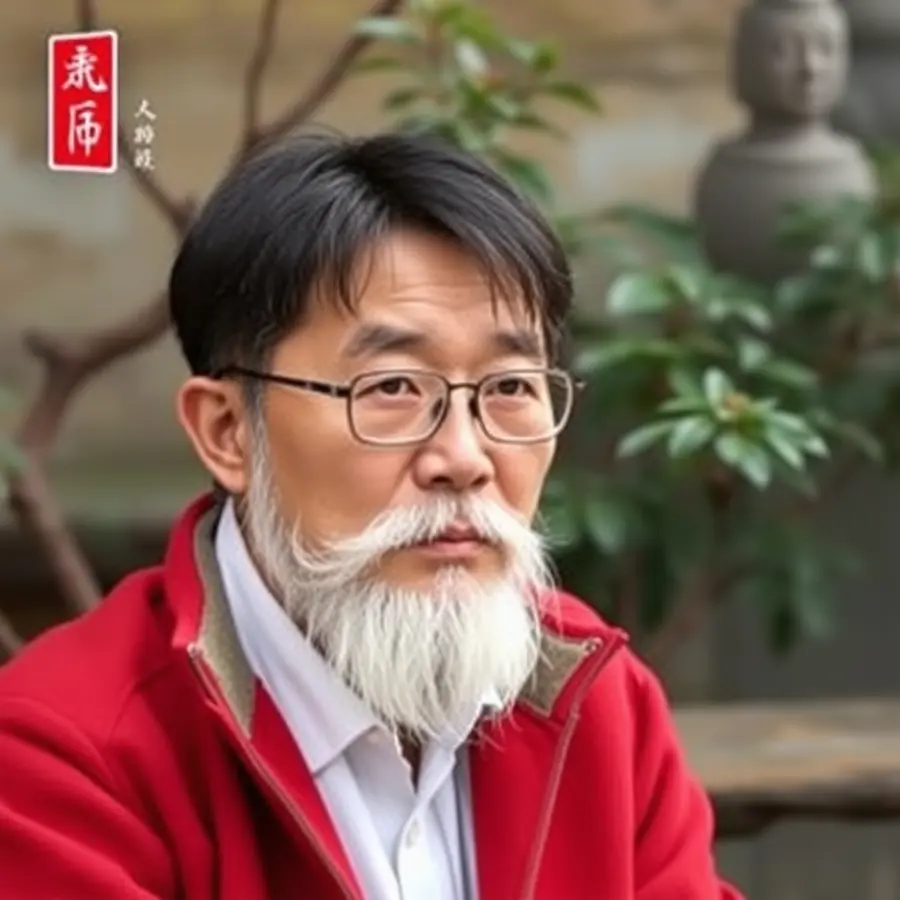
HUANG LEI
Marketing & Communications Director
"Designed the operator safety incentive program that transformed resistance into engagement, and developed the training materials that brought operator acceptance from 40% to 90%."