BULKY/HEAVY LOAD
HANDLING
Moving the Unmovable — Precision Handling for Loads Up to 50 Tons
When a single load is worth more than the equipment carrying it, there is no margin for error. Yuli's heavy-duty solutions combine brute power with surgical precision.
The Challenge
In early 2024, a wind turbine blade manufacturer in Gansu Province contacted Yuli with an unusual problem. The company was producing 85-meter carbon-fiber blades — each weighing 22 tons and measuring longer than a Boeing 737 fuselage. Moving these blades from the production hall to the outdoor curing yard, and then to the loading bay, required a material handling solution that simply did not exist in their current fleet.
The existing process relied on two separate forklifts working in tandem — a dangerous and slow operation that required perfect coordination between two operators. The blades, worth over $200,000 each, were vulnerable to torsional stress during turning maneuvers. A single mishandling incident earlier that year had resulted in a blade developing micro-cracks during transport, forcing a $180,000 write-off and a two-week production delay while the incident was investigated.
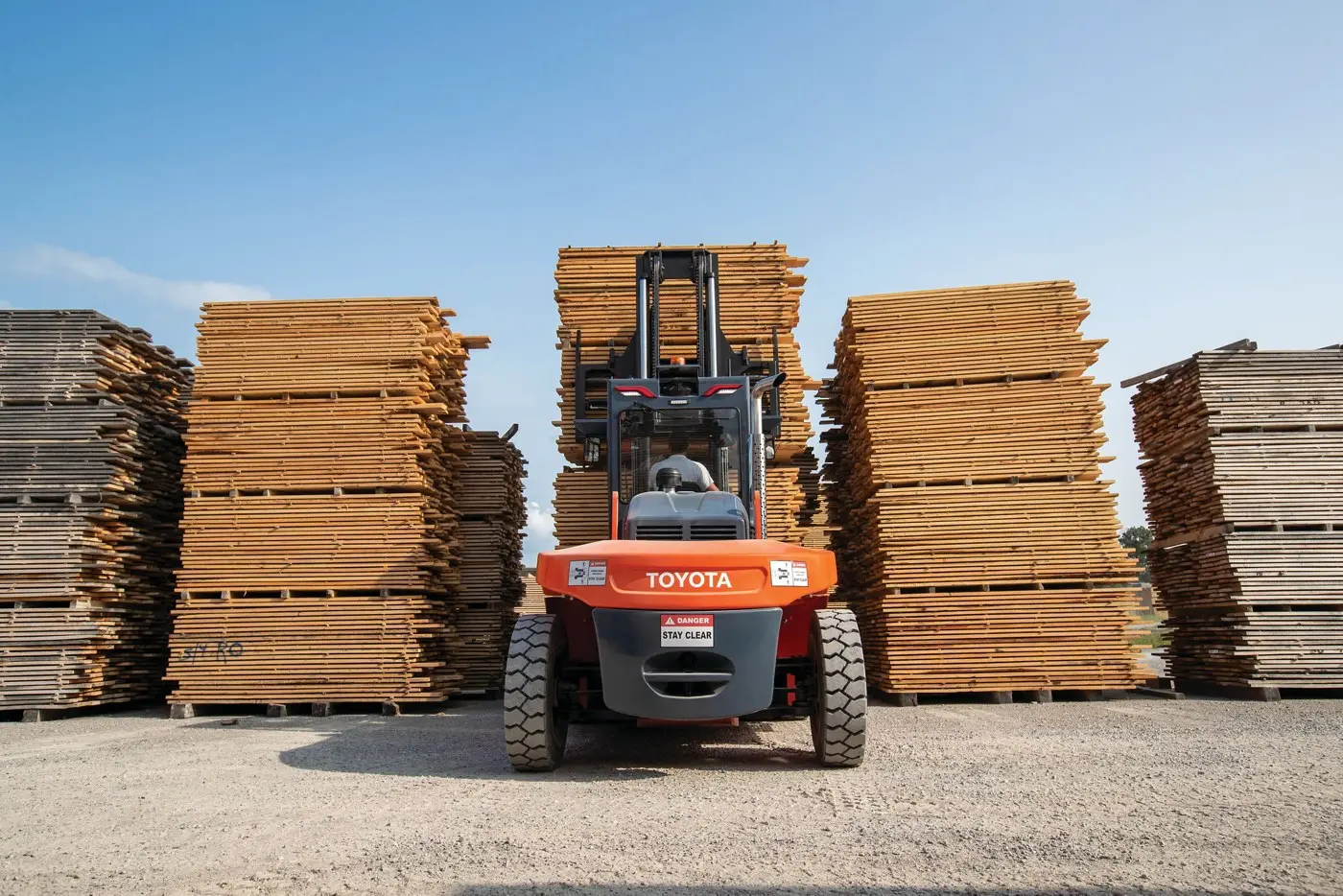
The Gansu facility producing 85-meter wind turbine blades — each weighing 22 tons. The existing tandem-forklift method was slow and risky.
Engineering the Solution
Li Na, Yuli's Senior Engineering Manager, led the technical response. Her team spent three weeks at the facility, measuring every dimension of the production floor, analyzing the blade's center-of-gravity shift during lifting, and stress-testing the floor surface to ensure it could support a single-point heavy load. The key insight came from studying how the blades were mounted on transport trucks: a specialized cradle with adjustable support arms distributed the load evenly and prevented torsional stress.
The engineering team proposed a solution centered on the Yuli CPC50 heavy-duty diesel forklift — but with a custom-designed blade handling attachment. The attachment featured a hydraulically-adjustable cradle with four articulated support arms, each padded with polyurethane to prevent surface damage. Load cells integrated into each arm provided real-time weight distribution data to the operator's display, ensuring the blade remained within safe torsional limits throughout the entire movement.
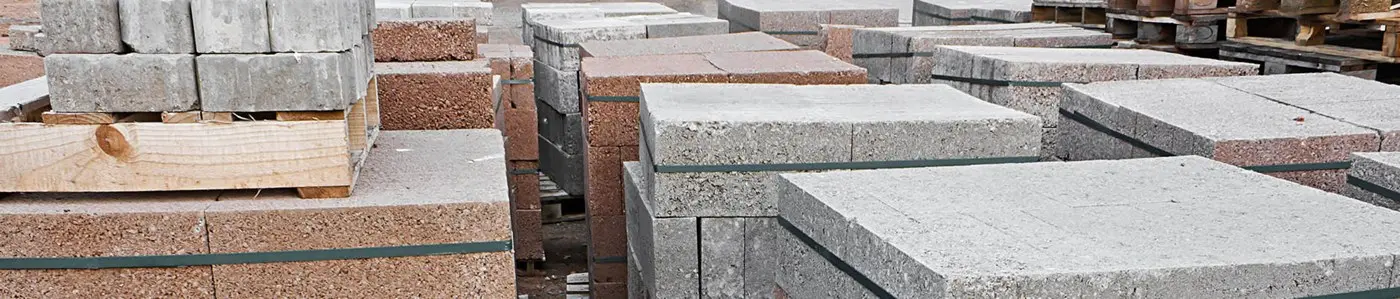
The custom-designed blade handling attachment: four articulated support arms with integrated load cells for real-time weight distribution monitoring.
The CPC50's chassis was reinforced with an additional frame stiffener, and a stability control system was programmed to automatically reduce travel speed when the mast was raised above 3 meters. Chen Yu, from the EMEA business development team, contributed by sharing specifications from European wind turbine handling standards (EN 1459), ensuring the solution would meet international compliance requirements if the manufacturer expanded exports.
Testing, Setback, and Redesign
The first prototype was delivered in April 2024. Initial testing with a decommissioned blade went smoothly indoors. However, during the first outdoor trial — moving a blade across the yard to the curing area — a critical issue surfaced. The yard surface, compacted gravel with occasional soft spots, caused the forklift to pitch slightly during a turn. The load cell data showed a momentary torsional spike that, while within safe limits, was uncomfortably close to the manufacturer's threshold.
The team returned to the drawing board. The solution was a dual-approach redesign: first, the attachment was fitted with an active hydraulic compensation system that could independently adjust each support arm's height by up to 50mm in real time, reacting to chassis pitch data from the forklift's stability sensors. Second, the yard surface on the critical transport path was upgraded with compacted concrete pavers — a modest infrastructure investment that the facility manager agreed to after seeing the test data.
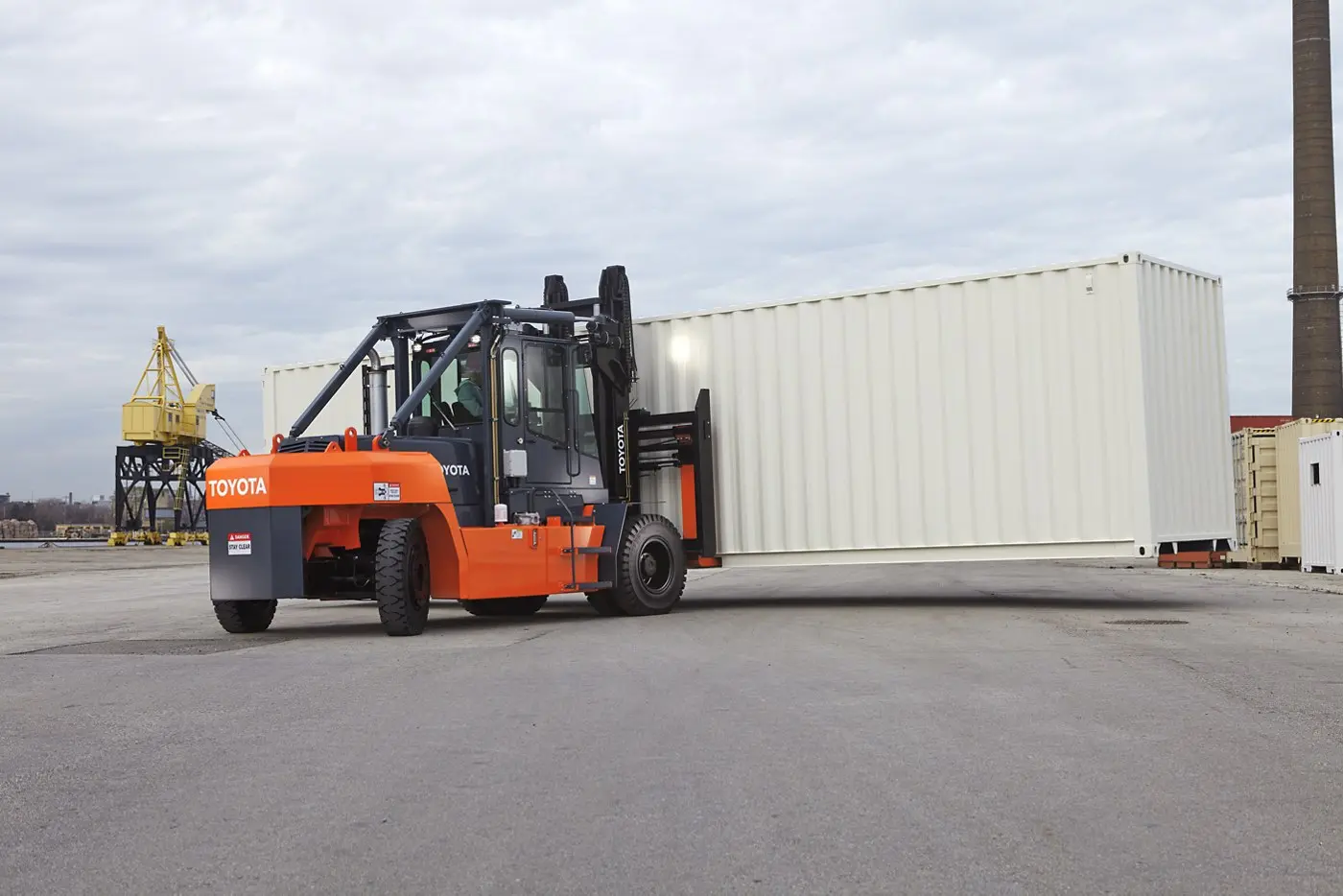
The outdoor testing phase that revealed the torsional stress issue. The subsequent redesign added active hydraulic compensation to the attachment.
The redesigned system was retested in June 2024 and passed all trials — including a worst-case scenario of a fully-loaded blade being transported across the yard during 30 km/h crosswinds. The active compensation system maintained torsional loads within 15% of the ideal distribution throughout the entire movement.
Results & Cost Outcome
The single-CPC50 solution replaced the two-forklift tandem operation, reducing blade transport time from 45 minutes to 18 minutes. More importantly, the risk of blade damage — which had cost the company $180,000 in a single incident — was effectively eliminated by the real-time load monitoring and active compensation systems.
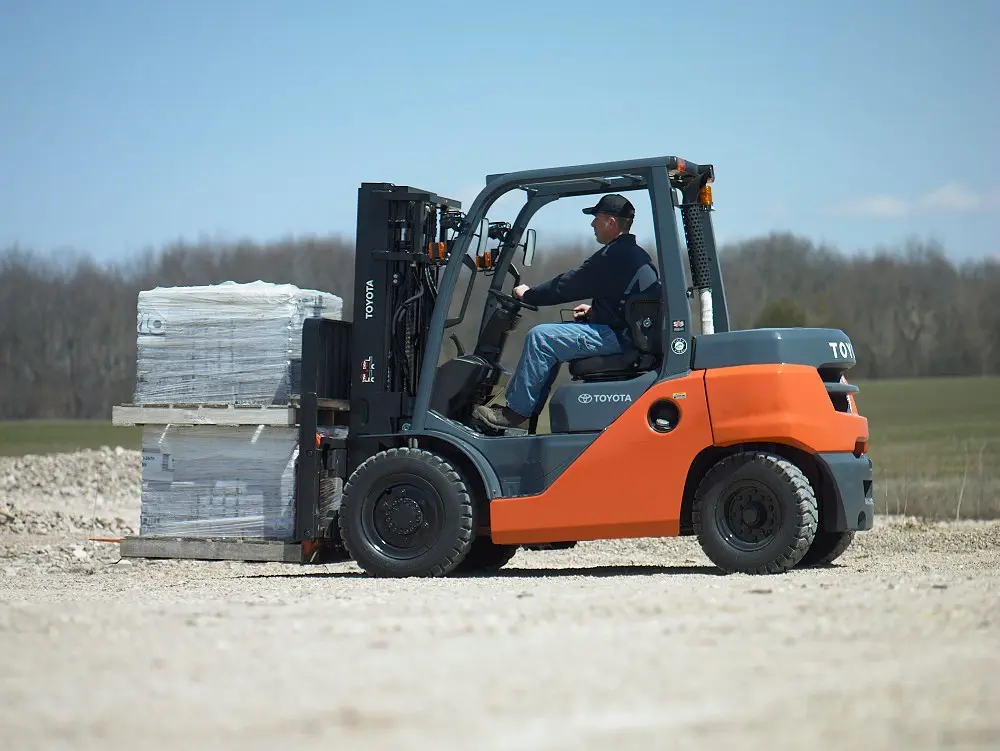
The final deployed solution: a single CPC50 with custom blade attachment, reducing transport time from 45 to 18 minutes per blade.
The total project cost — including the CPC50, custom attachment, engineering time, and yard surface upgrades — was recovered within 8 months. The savings came from eliminating the second forklift (and its operator), eliminating blade damage risk, and the productivity gain of moving 12 blades per shift instead of the previous 7. The manufacturer subsequently ordered a second identical unit for their new production line, and Yuli's custom attachment design has since been adapted for two other wind energy clients.
Project Team
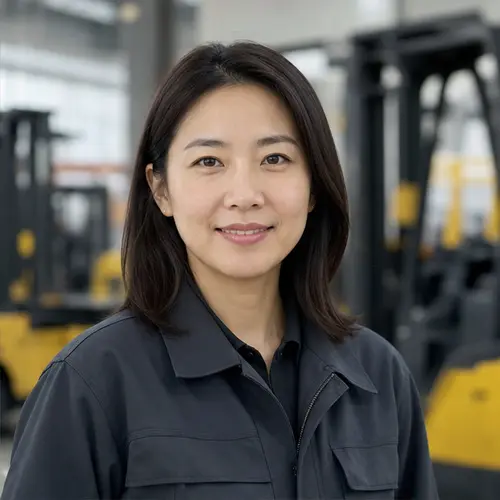
LI NA
Senior Engineering Manager
"Led the three-week site assessment, designed the custom blade handling attachment, and directed the active hydraulic compensation redesign after the outdoor testing setback."
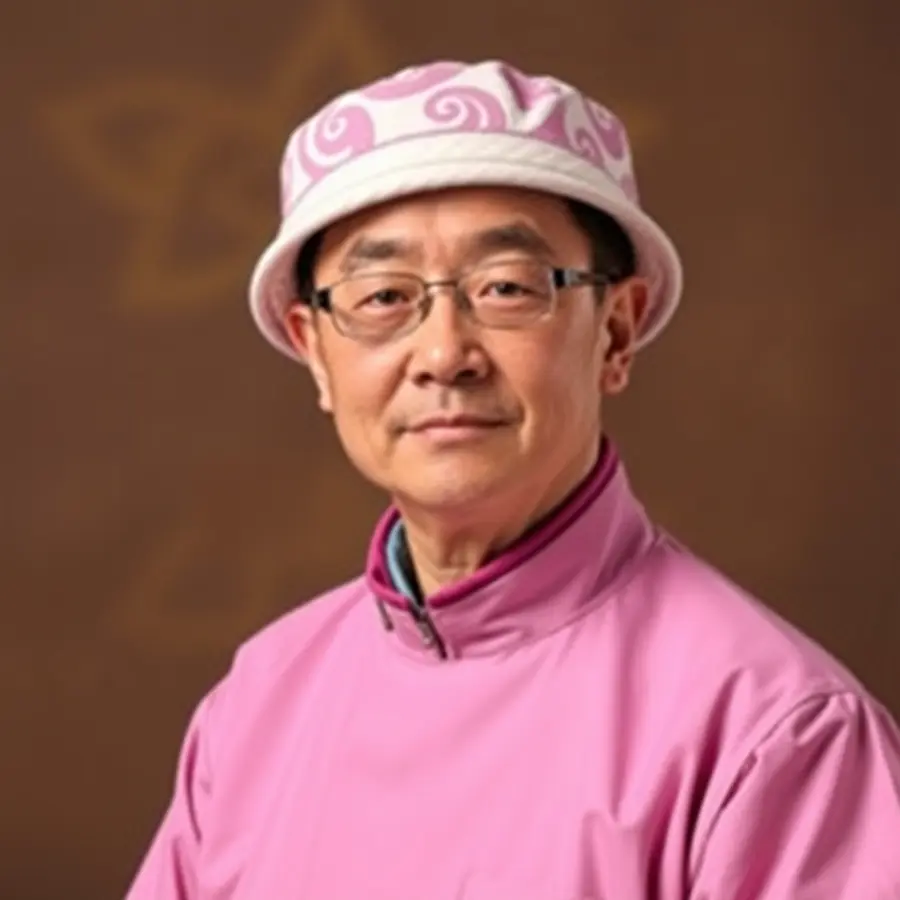
LIU QIANG
Head of Manufacturing
"Managed the fabrication of the custom attachment at the Qingzhou factory, coordinating with the engineering team through three design iterations before final approval."
CHEN YU
Business Development, EMEA
"Provided European EN 1459 compliance specifications, ensuring the solution met international heavy load handling standards for future export opportunities."