EXTREME-ENVIRONMENT
OPERATION
Engineered for the Harshest Conditions on Earth
From -35°C cold storage to corrosive chemical plants, Yuli's extreme-environment solutions thrive where ordinary equipment fails. Every component is designed, tested, and proven in conditions that push the limits of material science.
The Challenge: Frozen Food, Frozen Forklifts
In mid-2023, a seafood cold chain logistics center in Qingdao — one of the largest in northern China, serving over 60 supermarket chains across East Asia — reached a breaking point with its material handling equipment. The facility operated a 12,000-square-meter deep-freeze warehouse maintained at a constant -35°C, with forklifts shuttling between the freezer and a standard-temperature loading dock where ambient conditions ranged from +25°C to +40°C in summer. The temperature swing of up to 75°C was destroying equipment at an alarming rate.
The facility's existing fleet of electric forklifts — purchased from a competing manufacturer just 18 months earlier — was in crisis. Battery capacity had degraded by over 40% in six months, forcing operators to swap batteries twice per shift instead of the planned once. Hydraulic seals, hardened by the cold, were cracking and leaking. But the most insidious problem was condensation: when forklifts moved from the freezer to the loading dock, moisture instantly condensed on every cold surface, seeping into electrical connectors and corroding circuit boards. The facility was averaging 2-3 electrical failures per month during winter, each requiring a full day of diagnostics and repair.
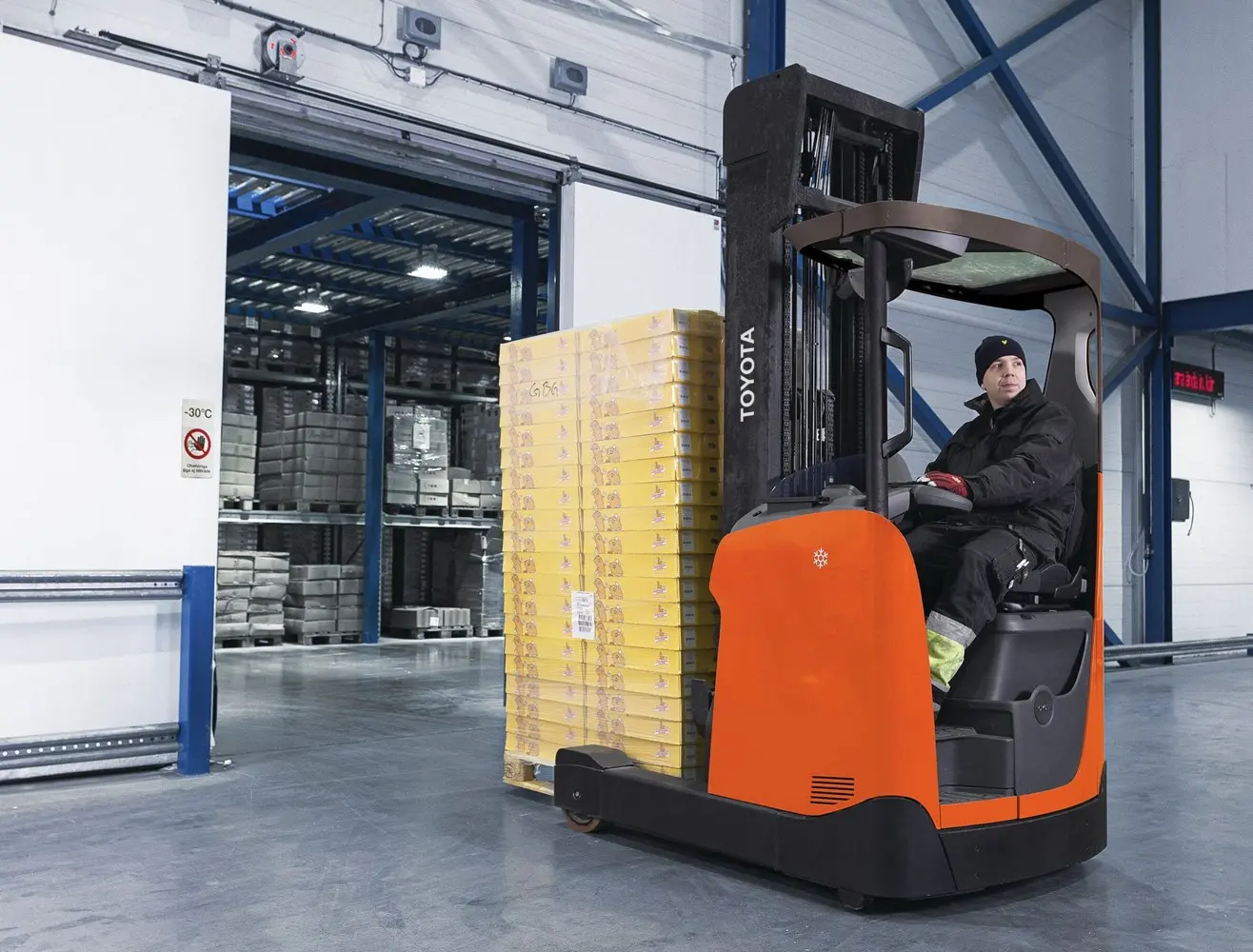
The Qingdao cold chain facility: 12,000 m² of deep-freeze storage at -35°C, with forklifts crossing a 75°C temperature gradient every trip.
Engineering the Extreme Solution
Sun Jie, Yuli's CTO, led the failure mode analysis of the existing fleet. Her team identified three root causes. First, the lithium-iron-phosphate batteries experienced a sharp increase in internal resistance below -20°C, causing voltage sag and permanent capacity loss. Second, the condensation cycle was creating a miniature corrosion chamber inside every electrical enclosure. Third, the standard ISO VG 46 hydraulic oil — perfectly adequate in normal conditions — thickened to the consistency of honey at -35°C, starving pumps and causing cavitation damage.
The solution was the Yuli 3-Ton Electric Forklift with "Arctic Package" — a factory-integrated suite of extreme-environment modifications. The battery system incorporated PTC self-heating elements that warmed cells from -35°C to 0°C in just 15 minutes, drawing power from a small auxiliary battery so the main pack was always ready for full output. The electrical compartment was sealed to IP65 with desiccant breather valves — a technology adapted from marine electronics — that allowed pressure equalization without letting moisture in. The hydraulic system was filled with a synthetic low-temperature fluid with a viscosity index above 200, maintaining flow characteristics down to -40°C.
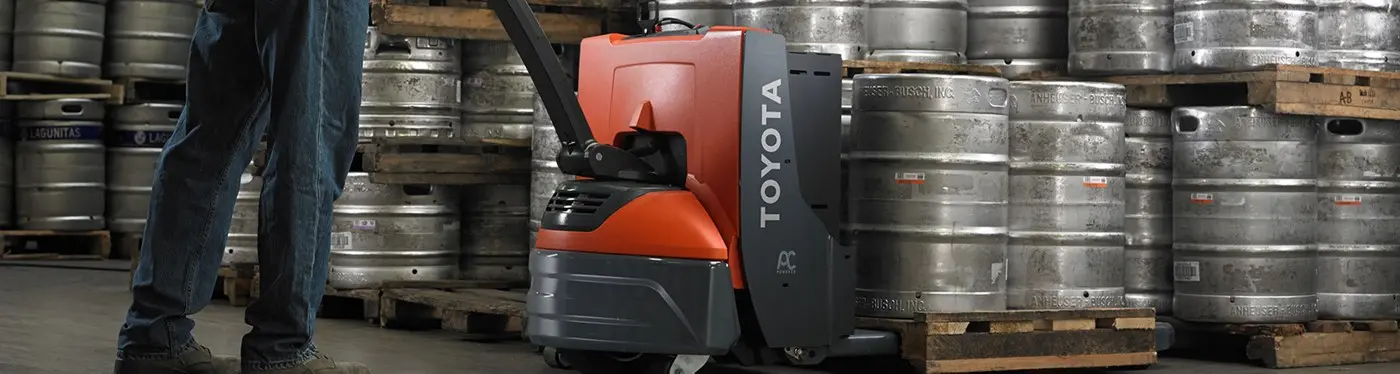
The Arctic Package: PTC battery heaters, IP65 sealed electrical enclosure with desiccant breather valves, and synthetic low-temperature hydraulic fluid.
Implementation & An Unexpected Discovery
The first batch of four Arctic Package units was deployed in March 2024. The initial two weeks ran flawlessly — operators reported that the forklifts felt "like they were working in spring weather" even inside the deep freeze. But during the third week, an anomaly appeared in the telemetry data: the battery heating system was activating frequently between 3 AM and 5 AM, consuming additional energy and reducing the effective range per charge.
Zhao Min, Yuli's Supply Chain Director, joined Sun Jie on-site to investigate. They discovered the root cause: the early morning hours were the peak receiving period for fresh seafood deliveries, and the freezer doors were being opened every 8-10 minutes. Each opening released a blast of cold air that triggered the battery temperature sensors, which had been programmed to initiate heating whenever the cell temperature dropped below -15°C. The system was doing exactly what it was told to do — but it was doing it at the wrong time.
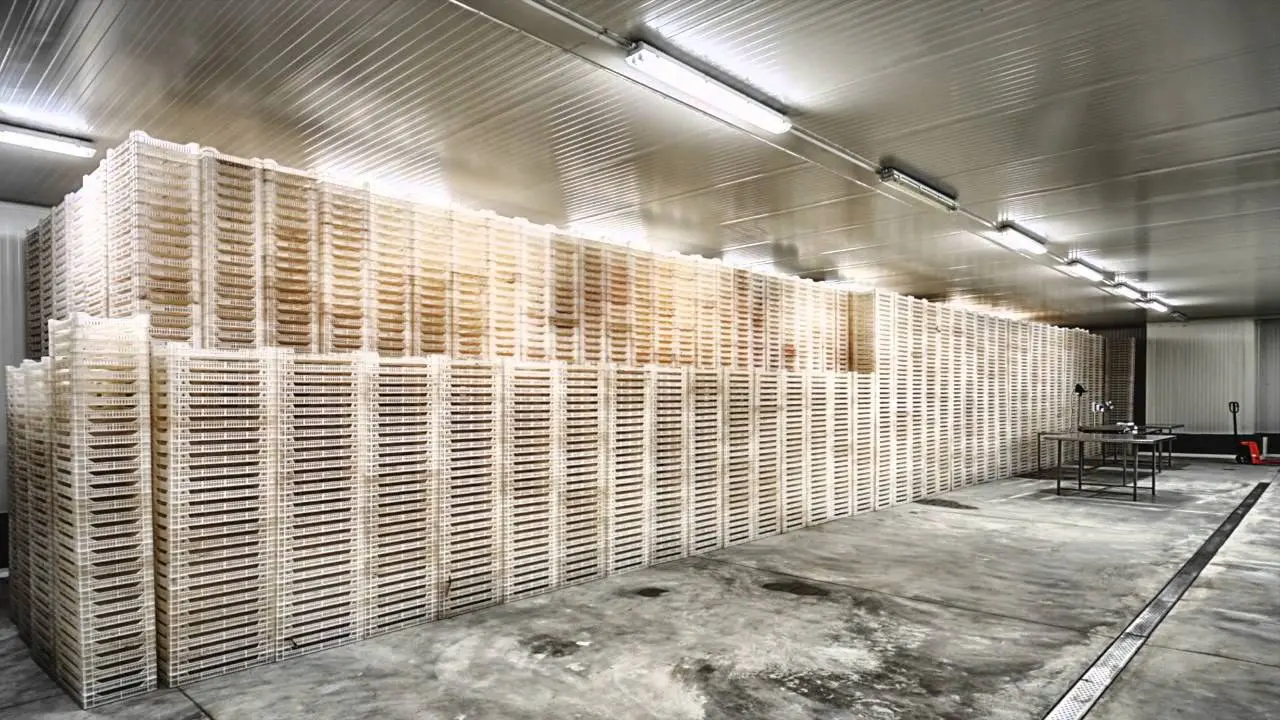
The telemetry anomaly that revealed the heating system was activating during peak receiving hours. The fix: a "temperature + time window" joint trigger logic.
Sun Jie's team redesigned the heating logic from a simple temperature trigger to a "temperature + time window" joint trigger. The system would now only initiate heating within 30 minutes of the operator's expected shift start, based on a learned schedule. This single software update reduced battery heating energy consumption by 40% and extended the effective range per charge by nearly two hours of continuous operation.
Expansion: From Cold to Corrosive
Word of the cold storage success spread quickly through Shandong's industrial network. Within weeks, a fertilizer plant near the coast — operating in an environment saturated with ammonia vapor and phosphate dust — contacted Yuli. Their existing forklifts were showing severe corrosion on structural steel within three months of deployment. Hydraulic lines were pitting, and electrical connectors were failing at a rate that made the cold storage facility's problems look mild by comparison.
Li Na, Senior Engineering Manager, adapted the core principles from the Arctic Package to create a "Corrosion-Resistant Package." The key insight, as Sun Jie explained to the client, was "isolation, not resistance." Rather than searching for ever-more-corrosion-resistant materials — an expensive and ultimately losing battle — the team designed sealed sub-systems that physically isolated critical components from the corrosive atmosphere. Stainless steel hydraulic lines replaced standard steel. The chassis received an epoxy coating normally used on marine equipment. Electrical systems were enclosed in positive-pressure compartments — a slight overpressure of dry air that prevented corrosive gases from entering even if seals degraded over time.
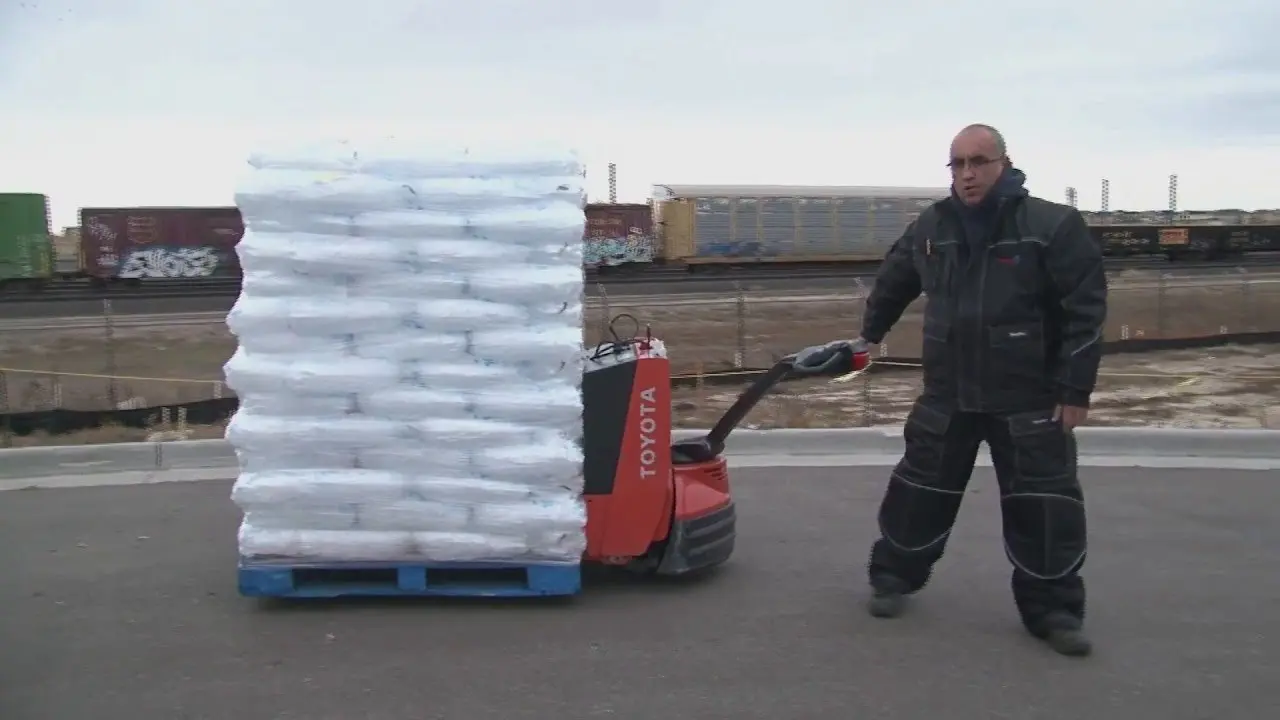
The Corrosion-Resistant Package: stainless steel hydraulics, marine-grade epoxy chassis coating, and positive-pressure sealed electrical compartments.
Results & Cost Outcome
The cold storage facility's Arctic Package forklifts have now been in operation for over a full year. Battery capacity retention exceeds 92% — a dramatic improvement over the 60% loss experienced with the previous fleet in just six months. Electrical failures have been reduced to zero. The facility manager, who had budgeted for a forklift replacement cycle of two years, now projects a five-year service life for the Yuli fleet.
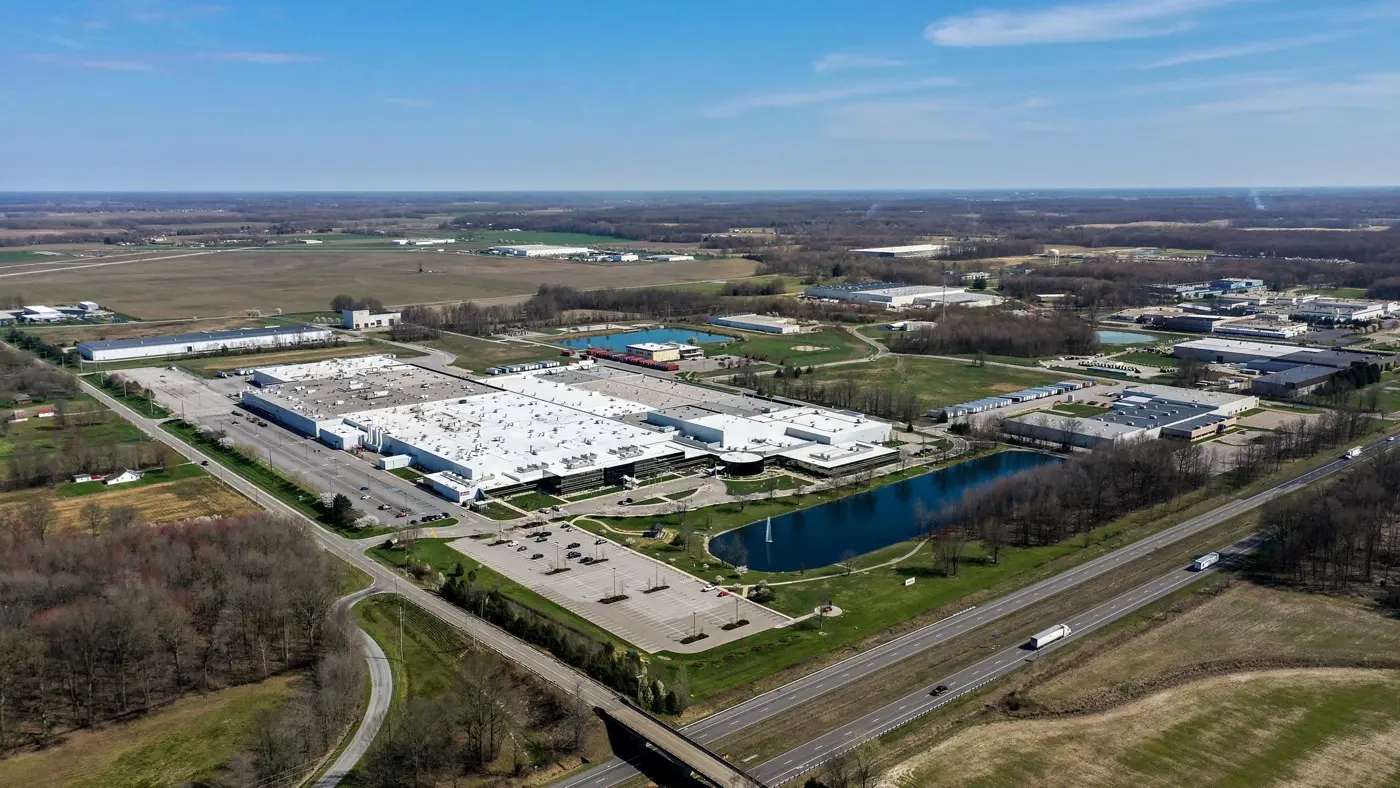
After 12 months: battery capacity retention above 92%, zero electrical failures, and projected service life extended from 2 to 5 years.
The fertilizer plant's Corrosion-Resistant units, after 12 months of continuous exposure to ammonia and phosphate, showed only superficial surface discoloration on non-critical components. The previous equipment had required hydraulic line replacement at the 12-month mark — a cost that was entirely eliminated. The plant's maintenance manager canceled the quarterly hydraulic system overhaul that had been a standing item on his budget for years. Both clients have since expanded their Yuli fleets, and the Arctic and Corrosion-Resistant packages are now standard options in Yuli's product catalog for extreme-environment applications worldwide.
Project Team
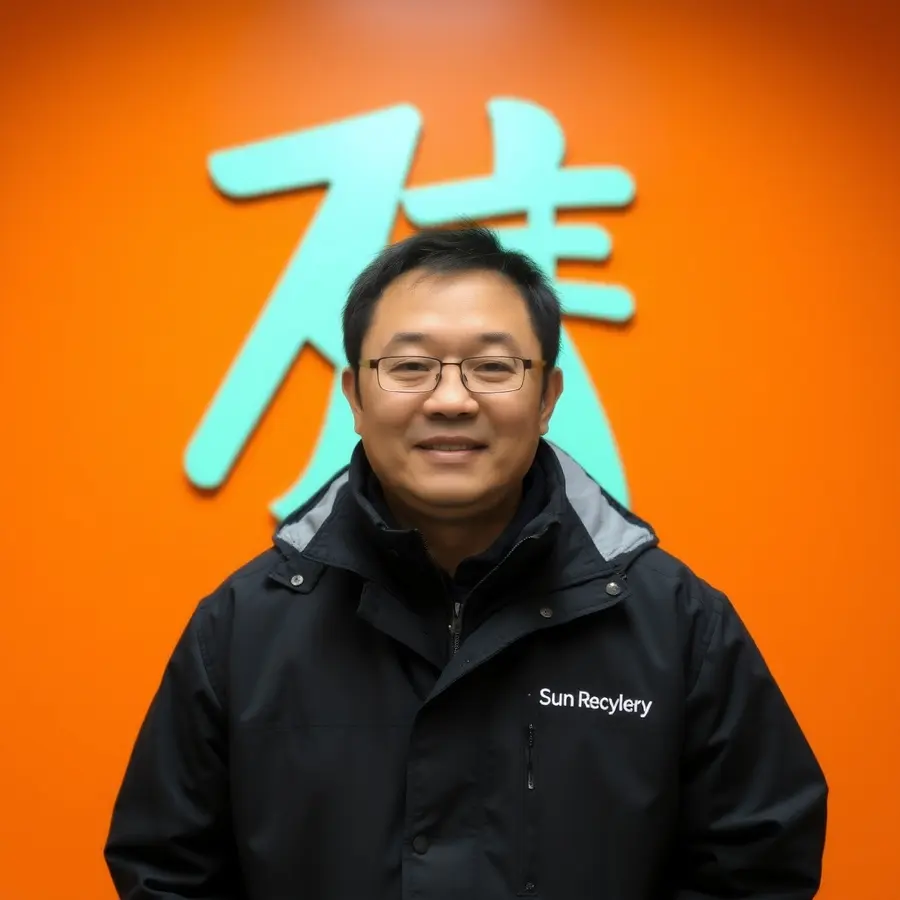
SUN JIE
Chief Technology Officer
"Led the failure mode analysis of the existing fleet, designed the battery thermal management system, and developed the 'temperature + time window' heating logic that reduced energy consumption by 40%."
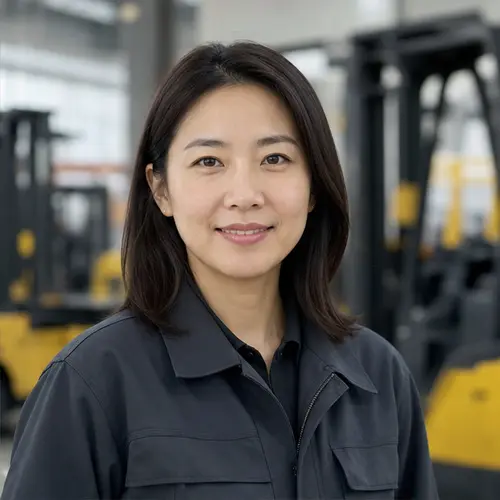
LI NA
Senior Engineering Manager
"Designed the IP65 sealed electrical compartment with desiccant breather valves, and specified the low-temperature hydraulic fluid and stainless steel components for the corrosion-resistant package."

ZHAO MIN
Supply Chain Director
"Sourced the specialized low-temperature lithium batteries and synthetic hydraulic fluid, and established the supply chain for the corrosion-resistant components used in the chemical plant deployment."